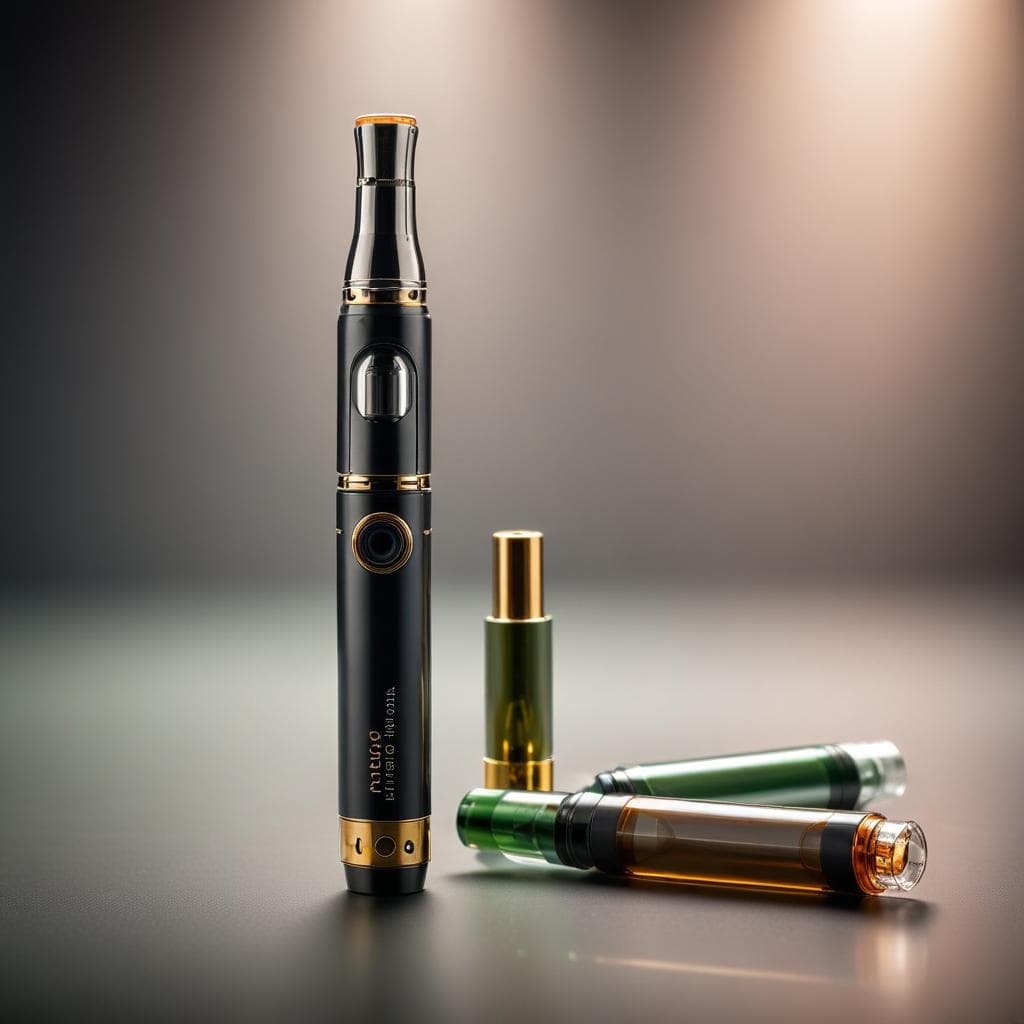
Ceramic vs Metal Coils: Which Heating Element is Best for Vape Cartridges?
The Heart of Every Cartridge
The heating element in a vape cartridge is crucial to performance. Ceramic and metal coils each offer distinct advantages that affect flavor, vapor production, and overall experience. Understanding these differences helps brands select the right cartridges and helps consumers make informed choices.
Whether you're developing custom vape pens or simply want to understand your products better, coil technology matters.
How Vape Coils Work
Basic Function
All vape coils perform the same basic job:
- Receive electrical power from the battery
- Convert electricity to heat
- Vaporize cannabis oil
- Deliver vapor for inhalation
Key Differences
The material and design of the coil affects:
- Heating speed and distribution
- Flavor preservation
- Vapor temperature
- Durability and lifespan
- Efficiency of oil use
Understanding Ceramic Coils
What Are Ceramic Coils?
Ceramic coils use porous ceramic material as the wicking and/or heating element:
Porous Ceramic
- Ceramic absorbs oil into tiny pores
- Heat generated throughout the material
- Large surface area contact with oil
- Even heat distribution
Ceramic-Wrapped Wire
- Metal wire wrapped around ceramic core
- Ceramic serves as wick
- Combines properties of both materials
How Ceramic Coils Heat
Ceramic heating is different from metal:
- Slower initial heat-up
- More even temperature distribution
- Lower peak temperatures
- Consistent warmth throughout puff
Understanding Metal Coils
Types of Metal Coils
Several metals are used in vape cartridges:
Kanthal
- Iron-chromium-aluminum alloy
- Most common and affordable
- Consistent resistance
- Durable
Nichrome
- Nickel-chromium alloy
- Heats quickly
- Good for high-wattage use
- Common in sub-ohm applications
Stainless Steel
- Clean flavor
- Temperature control compatible
- Durable and versatile
- Premium option
Metal Coil Designs
Wrapped Wire
- Wire wound around cotton or silica wick
- Traditional design
- Quick heating
- Affordable production
Mesh Coils
- Metal mesh instead of wire
- Larger surface area
- Even heating
- Premium performance
Ceramic Coil Advantages
Superior Flavor
Ceramic is renowned for flavor preservation:
- No metallic taste
- Pure, clean flavor
- Terpenes better preserved
- True-to-strain experience
Even Heating
Porous ceramic distributes heat uniformly:
- No hot spots
- Consistent vaporization
- Reduced burning risk
- Smooth hits every time
Lower Operating Temperature
Ceramic naturally operates cooler:
- Less harsh on throat
- Better for sensitive users
- Preserves delicate compounds
- Longer coil life
Works Well with Thick Oils
Porous structure handles viscosity:
- Absorbs thick distillates
- Consistent wicking
- Fewer dry hits
- Good for high-viscosity oils
Ceramic Coil Disadvantages
Slower Heat-Up
Ceramic takes longer to reach temperature:
- Not instant vapor
- May need preheat function
- Less responsive to draws
Fragility Concerns
Ceramic can be more delicate:
- Can crack if dropped
- Thermal shock possible
- Quality varies significantly
- Some durability concerns
Higher Cost
Quality ceramic costs more:
- More complex manufacturing
- Premium positioning
- Higher per-unit price
Potential Health Questions
Some concerns have been raised:
- Ceramic particle inhalation (with low-quality ceramics)
- Quality and sourcing important
- Choose reputable manufacturers
- Lab testing recommended
Metal Coil Advantages
Instant Heat
Metal heats almost immediately:
- Quick response to button press
- Instant vapor production
- No warmup needed
- Responsive to draws
Durability
Metal coils are robust:
- Handle drops and impacts
- Consistent over time
- Less breakage risk
- Reliable performance
Lower Cost
Simpler to manufacture:
- More affordable production
- Lower cartridge prices
- Good for high-volume products
- Budget-friendly options
Familiar Technology
Long track record:
- Well-understood behavior
- Proven reliability
- Manufacturing expertise widespread
- Consistent quality achievable
Metal Coil Disadvantages
Flavor Impact
Some users detect metallic notes:
- Possible metallic taste
- Less pure flavor than ceramic
- Hot spots can alter taste
- May degrade flavor over time
Hot Spots
Uneven heating possible:
- Wire sections may heat unevenly
- Risk of localized burning
- Can produce harsh hits
- Reduces oil efficiency
Higher Temperatures
Metal can run hotter:
- May destroy delicate terpenes
- Harsher vapor possible
- Higher burn risk
- Needs proper voltage matching
Comparison Table
| Factor | Ceramic | Metal | |--------|---------|-------| | Flavor Purity | Excellent | Good | | Heat-Up Speed | Slower | Fast | | Temperature Control | Even | Variable | | Durability | Moderate | Excellent | | Cost | Higher | Lower | | Thick Oil Performance | Excellent | Good | | Terpene Preservation | Excellent | Moderate | | Manufacturing | Complex | Simple |
Best Use Cases
Choose Ceramic For:
- Live resin cartridges - Preserve delicate terpenes
- Full spectrum oils - Maintain complex profiles
- Premium products - Justify higher pricing
- Flavor-focused consumers - Best taste experience
- Thick distillates - Handles viscosity well
Choose Metal For:
- High-volume products - Cost-effective production
- Budget positioning - Affordable options
- Quick-hit preference - Instant vapor
- Durable needs - Rugged performance
- Promotional items - Good value proposition
For Custom Vape Pens
Selecting Cartridges
When developing branded products:
Consider Your Oil
- What type of extract will you use?
- What viscosity range?
- Terpene content importance?
Consider Your Customer
- Flavor connoisseurs prefer ceramic
- Budget-conscious may prefer value
- Premium positioning supports ceramic cost
Consider Your Price Point
- Ceramic adds cost
- Metal enables lower prices
- Balance quality and accessibility
Battery Considerations
Different coils may work best with different cartridge batteries:
- Ceramic often prefers lower voltage
- Metal can handle higher power
- Variable voltage offers flexibility
- Match battery to cartridge recommendation
Quality Matters Most
Ceramic Quality Variation
Not all ceramic is equal:
- Source matters significantly
- Manufacturing process affects safety
- Lab testing important
- Cheap ceramic may be risky
Metal Quality Considerations
Metal quality also varies:
- Pure metals vs alloys
- Lead-free certification
- Proper resistance ratings
- Consistent manufacturing
Vetting Suppliers
Always verify:
- Material certifications
- Lab testing for heavy metals
- Manufacturing standards
- Track record and references
The Future of Coil Technology
Emerging Trends
- Improved ceramic formulations
- Hybrid ceramic-metal designs
- Better mesh technologies
- Enhanced safety testing
What to Watch
- New materials development
- Regulatory requirements
- Consumer preferences
- Technology improvements
Working with MunchMakers
MunchMakers offers quality custom vape pens and can help you select appropriate products:
- Quality cartridge options
- Various coil types available
- Custom branding on batteries
- Guidance on product selection
Request a mockup to explore options for your brand.
Conclusion
Both ceramic and metal coils have their place in the vape industry. Ceramic excels in flavor preservation and even heating, making it ideal for premium, terpene-rich products. Metal coils offer quick heating, durability, and cost-effectiveness for high-volume applications.
The best choice depends on your specific oil type, target customer, and brand positioning. Quality matters more than material type - a high-quality metal coil outperforms a cheap ceramic one.
Explore cartridge batteries and disposable vapes to find the right products for your needs.
Contact us to discuss coil options for your custom vape pen project.
Ready to Create Your Custom Vape Pens?
Put your brand in your customers' hands. Get a free mockup in 24 hours.
Related Articles
Disposable vs Rechargeable Vape Pens: Which is Best for Your Brand?
Pod Systems vs 510 Cartridges: Which Format is Better for Your Brand?